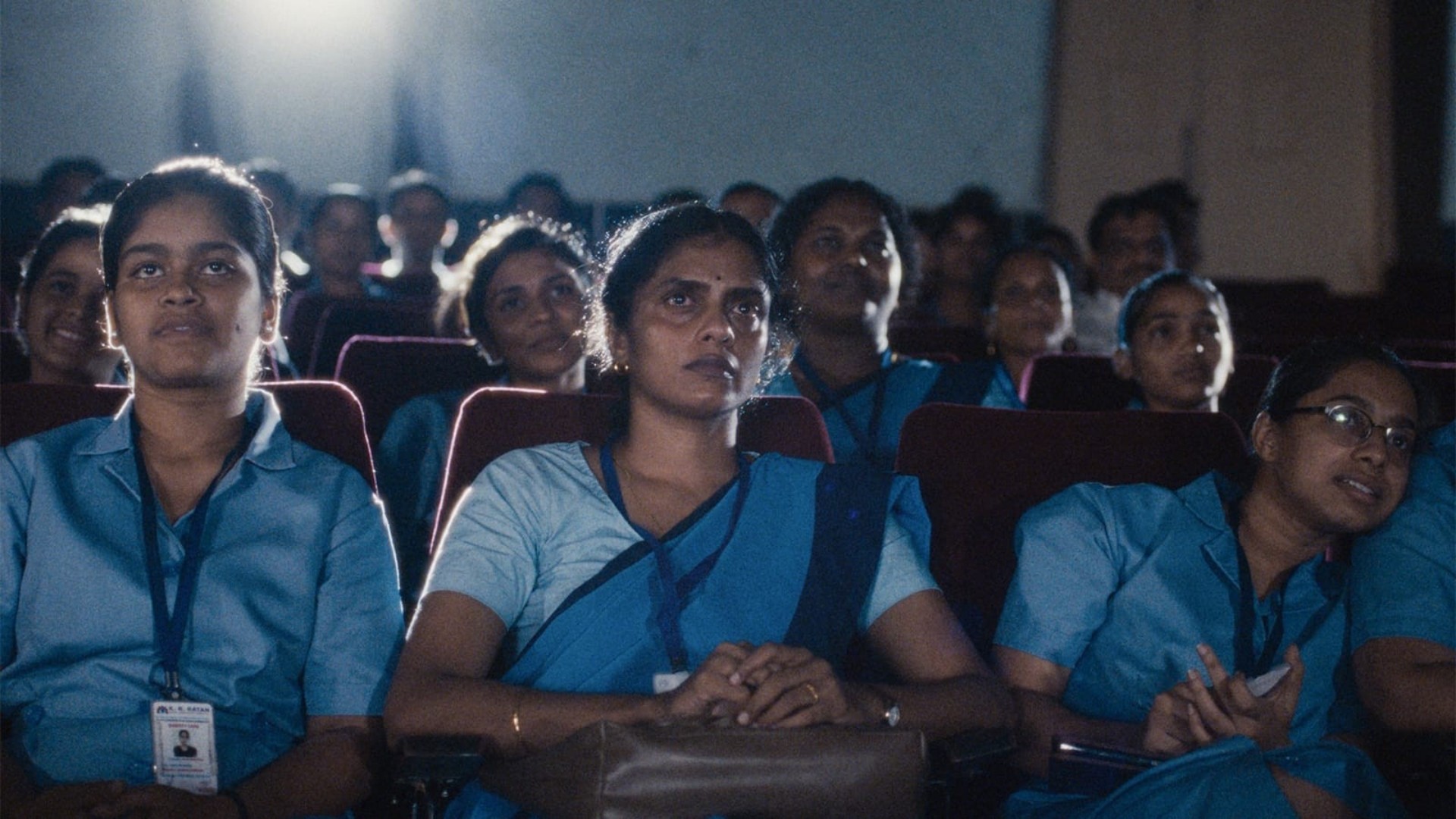
From Salim-Javed’s Deewar to Payal Kapadia's All We Imagine As Light, cinema has long captured the textures of a workers’ life. Good Business Lab explores what these films reveal about workers and their wellbeing, and why a paycheck alone has never been enough.
For decades, films have been a lens through which we examine the lives and struggles of workers. Charlie Chaplin’s Modern Times can be viewed as a critique of industrialization and its effects on workers. In Indian cinema, working-class protagonists have often been at the heart of stories of resistance and oppression. In Tamil films of the 1970s and 80s, the ‘heroes’ were almost always workers fighting the good fight.
Popular actors like MGR, Sivaji Ganesan, and Rajinikanth have played mill and estate workers, auto drivers, and labour union leaders, their roles often reflecting the politics of their times. Bollywood, too, has its share of stories exploring the grim realities of workers’ lives, highlighting the vulnerability of workers and their families.
These mainstream films have played a powerful role in shaping public perceptions of both the power and the plight of workers, a laudable goal.
Yet beyond the often stark tension between protagonist workers and antagonist employers, cinema also captures something quieter but equally powerful: the textures of workers’ lives through pauses, silences, and everyday moments. These glimpses reveal that a paycheck alone is never enough; what workers seek is dignity, stability, and a sense of holistic wellbeing that extends far beyond wages.
In this piece, we revisit scenes from films that capture the visible and invisible dimensions of workers’ lives, the struggles, silences, and small negotiations that define wellbeing. These cinematic moments help us understand what is often missing in real workplaces, and why changing them is not just necessary, but within reach.
Women, Work, and Loneliness
Contemporary and independent films are taking new approaches in their portrayal of workers, often focusing on women and the nuances of their struggles. In the opening scenes of Payal Kapadia’s award-winning film All We Imagine As Light, Mumbai’s chaotic streets pulse with life. Laid over this montage of visuals – busy marketplaces, flashing traffic lights, crowded train platforms – are the voices of people who migrated to the “city of dreams.” “I’ve lived here for 23 years,” says one. “But I feel afraid to call it home.” This sentiment, and the film itself, captures the reality of the migrant experience in India. It portrays the emotional fragility of a worker’s life in the city, marked by insecurity and loneliness.
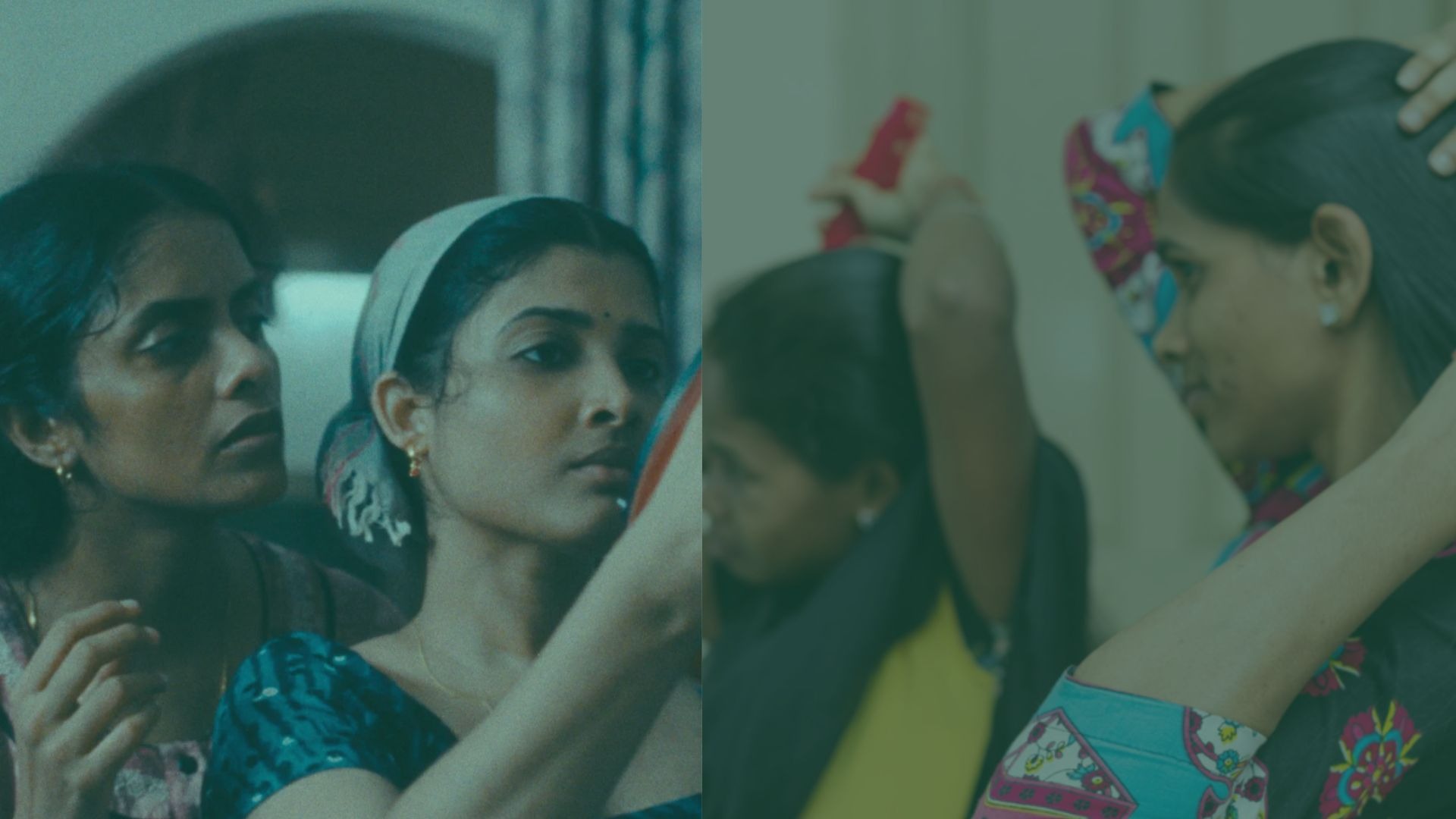
Women sharing a room. A still from All We Imagine As Light alongside workers doing chores together for the day.
Kapadia’s protagonist, Prabha, is a nurse from Kerala who shares a flat with Anu, a young Malayali colleague from the hospital. As she navigates life in the city, which is lonely despite the stifling crowds, Prabha befriends Parvathy, a hospital canteen worker, who is being threatened with eviction from her home. Meanwhile, Anu’s clandestine romance with a young man from a different community sparks rumors and gossip at work. As migrants to the city, far from their homes and families, the women’s lives are filled with uncertainty and a deep sense of isolation.
We have always recognized that women workers are disproportionately affected by the difficulties of migration, facing issues of physical and mental health, discrimination and abuse, as well as barriers to professional growth. All We Imagine As Light beautifully shines a light on the ways in which building connections through friendship and a feeling of sisterhood can alleviate some of that hardship. This echoes what we observed in our research for our peer support intervention, in which a newly arrived worker is paired with a more seasoned worker who shares a similar cultural background. Migration takes an enormous toll on women’s mental health, but we found that being paired with a ‘buddy’ or older sister figure in a structured program of connection reduces depression and anxiety in workers.
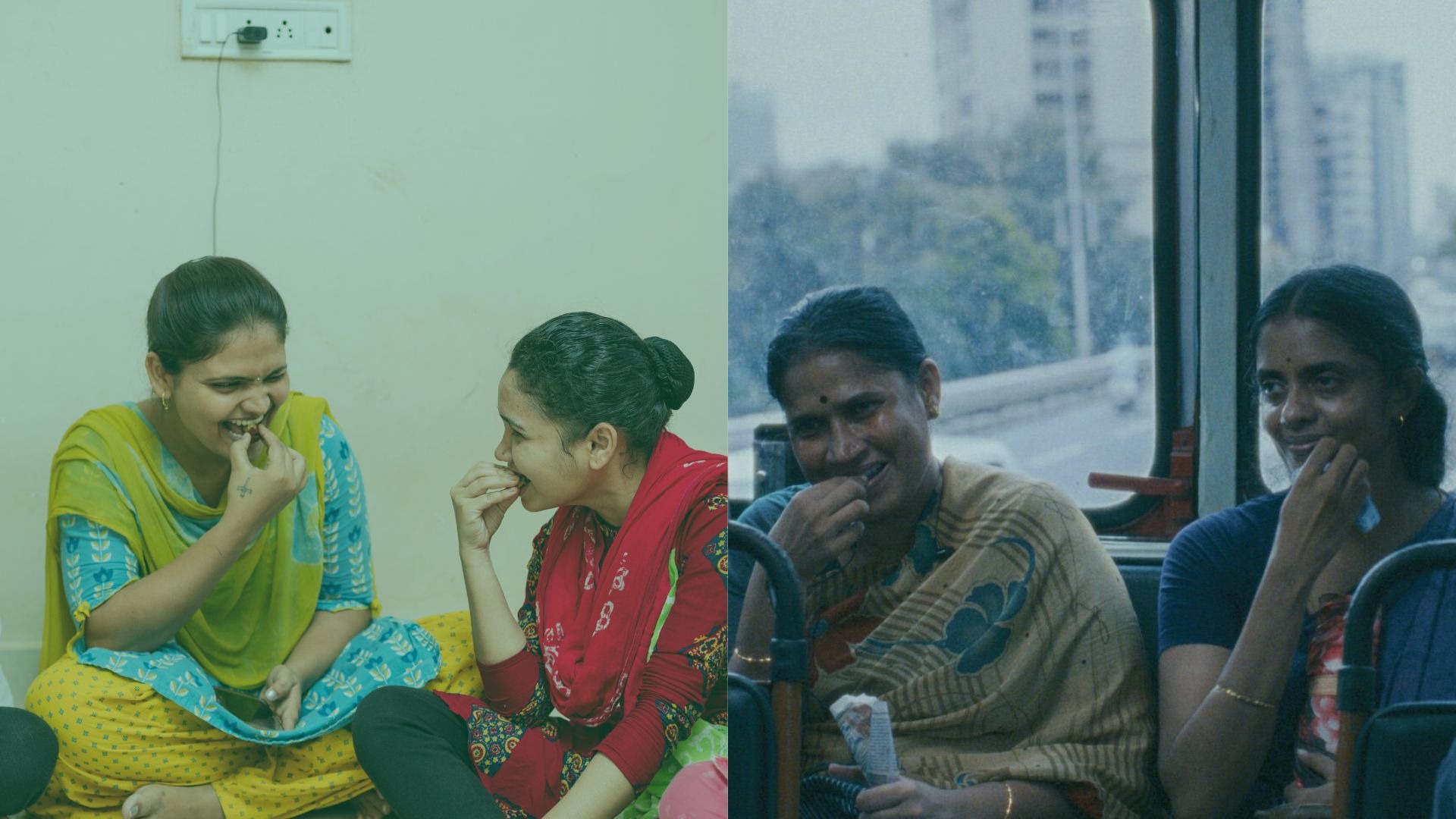
Workers sharing a meal during a break (left); a light moment from All We Imagine As Light (right).
A worker, speaking about her experience in the program, put it simply:
“This is the first time we have come out of our Bangalore, and we did not know where we would get our necessities, but this project has helped us find a friend and a sister.”
Adolescent Girls and the Struggle for Agency
Anuja captures another layer of vulnerability faced by young women workers, tracing the story of two orphaned sisters who work in a small garment factory. The film is at once personal and political, tackling the issue of child labor, while celebrating the little joys of the sisters’ lives. The younger girl, Anuja, is offered the opportunity to apply for a scholarship at a prestigious boarding school. Her older sister Palak insists she pursue the chance for a better future, giving her the money she’d been saving up for her wedding. Faced with this almost impossible choice between education and work, between herself and her sister, Anuja finds herself at a crossroads. Adolescent women often have very little control over their own lives, making them particularly vulnerable to exploitation, something the film captures with a unique tenderness.
Good Business Lab evaluated a partner program by C3 called Sakshamaa that focused on empowering adolescent girls with training across financial and digital literacy, bodily integrity and holistic health, psychosocial wellbeing, voice and agency. Our research showed that holistic programs like these have the potential to transform the attitudes and mindsets of young women, which in turn can lead to better career and life outcomes. Just as Anuja received the opportunity to live up to her potential, these programs demonstrate how investing in young women and giving them agency can positively impact their futures.
The Illusion of Flexibility
Work as we know it is dramatically changing, thanks to technology and entirely new modes of employment, and films are capturing some of these upheavals. Zwigato, directed by Nandita Das, is a poignant portrayal of the modern gig economy. The story follows Manas, a food delivery executive, navigating the uncertainties of life as a gig worker, at the mercy of an algorithm based on ratings and incentives. At the same time, his wife Prathima attempts to boost their family income by taking on part-time work as a mall cleaner and a masseuse. The growing gig economy creates the illusion of freedom and agency, where workers are called ‘partners’ but still face low pay, job insecurity and exploitative conditions. In one scene, Manas observes his friends preparing for a labor rally and reads a poster that says, “Wo mazboor hai isiliye mazdoor hai,” (they are helpless, and that is why they are laborers). He asks if it isn’t the other way around; that workers are made helpless by the very nature of their work.
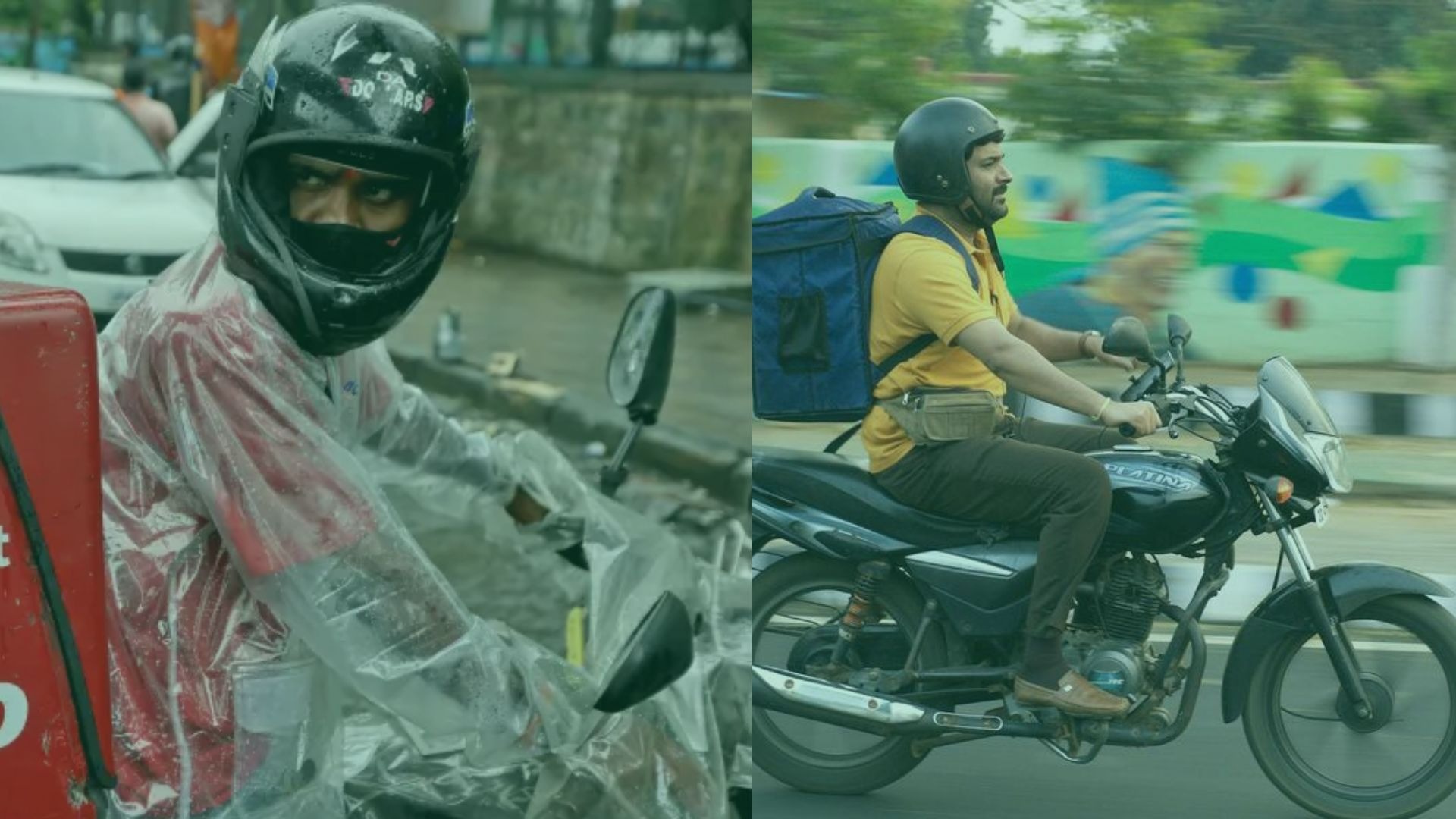
A gig delivery worker on the job (left); a still from Zwigato (right).
While gig work offers flexibility, it also presents challenges, workers often juggle multiple platforms, with no single entity accountable for their wellbeing. Algorithmic controls shape work availability, limiting true agency, addressing these issues requires a balanced approach between policymakers and industry leaders to ensure worker security without hindering the sector’s economic dynamism.The gig economy, with its inherent instability, highlights the urgent need for better protections and support systems for workers.
The Weight of Inheritance
In Neeraj Ghaywan's Homebound, India's official entry to the 2026 Academy Awards, which premiered at Cannes 2025, there is a scene that focuses on worker agency and self-prioritization, or more precisely, the absence of it. A young Dalit man looks down at his mother's feet. They are cracked, calloused, hardened by decades of physical labor. He asks her to put some ointment on them. She deflects into a joke: her own mother's feet were even coarser, so coarse from walking barefoot in the fields, she used to walk like a soldier, so they used to act as sickles on the crop.
She is smiling, but it is devastating because a story about a woman for whom the question of her own health never made it onto the list. Self-care requires a kind of attention to oneself that poverty systematically crowds out. This is not something she has ever had the bandwidth to think about. And her mother before her didn't either. a precise description of what intergenerational poverty actually looks like at the level of the body, passed down, generation to generation, because the conditions that produce it have never changed.
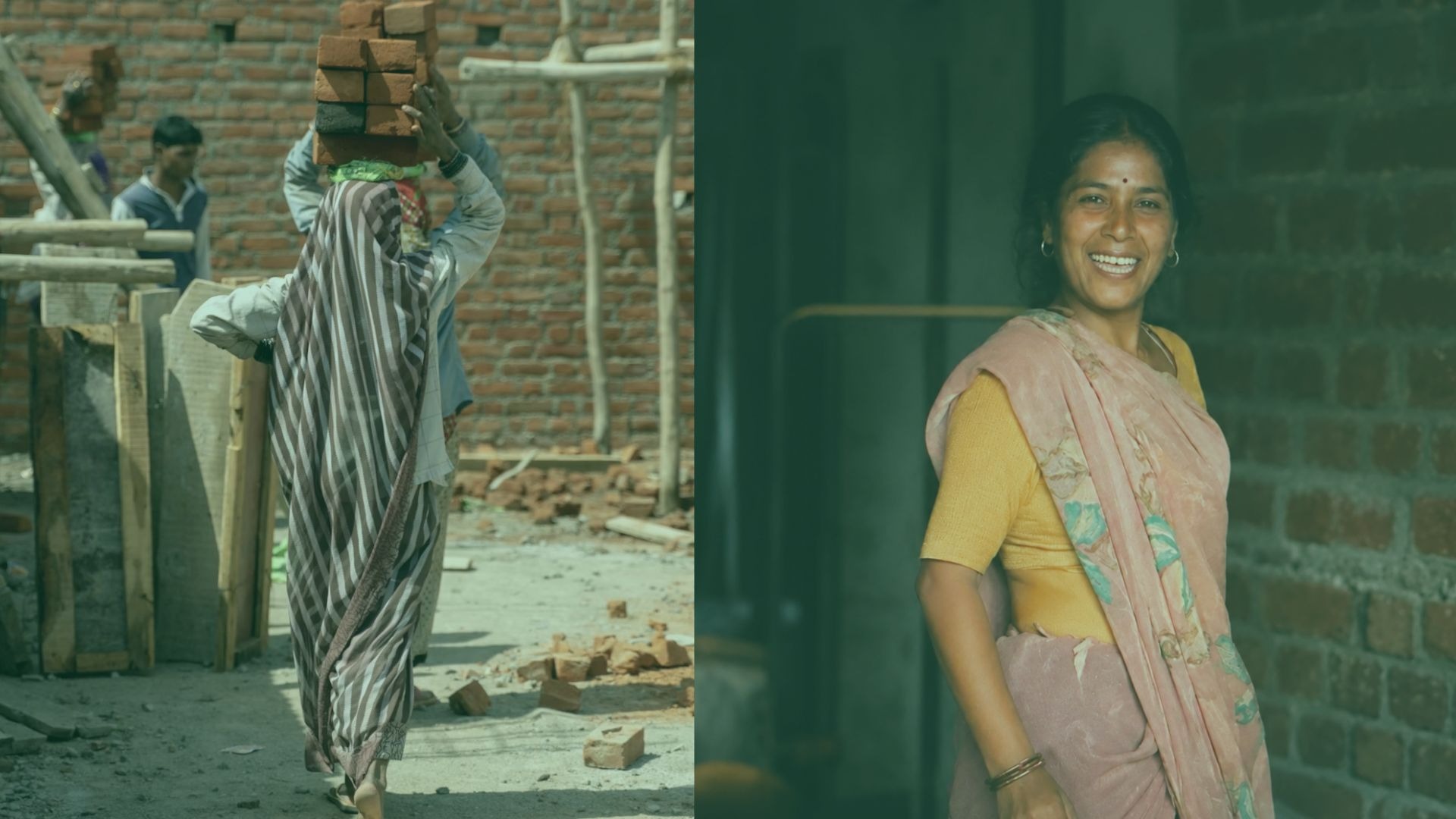
A worker at a construction site carrying bricks barefoot (left); aa still from Homebound featuring the woman who jokes that her mother’s cracked feet were so coarse, they acted like sickles.
Nil Battey Sannata (2016) looks at the same issue from another angle. Swara Bhasker plays Chanda, a single mother working four domestic jobs in Agra to fund her teenage daughter's education. When the daughter says that a maid's daughter will obviously become a maid, Chanda enrolls her daughter in Class 10 to prove her wrong. The film's argument is straightforward: poverty is also the internalized assumption that the future is already decided. Once a child has accepted that ceiling, the inheritance is complete without a rupee changing hands.
Both films illustrate how poverty leaves a legacy that goes beyond a lack of money; it's about physical hardship and psychological expectations, reminding us that true wellbeing requires more than simply raising wages.
Changing the Narrative of Worker Stories
Reflecting on the portrayal of workers in cinema, it is clear that while these stories highlight the struggles, they also emphasize the potential for change. All We Imagine As Light and Anuja remind us of the extraordinary resilience of people, and how workers can overcome obstacles with stronger support systems, education, and opportunities for growth. Zwigato nudges us to contemplate the role of technology in shaping livelihoods. Homebound and Nil Battey Sannata remind us that poverty is deeply intergenerational, changing bodies, deciding ambitions and the boundaries of what people believe is possible for themselves.
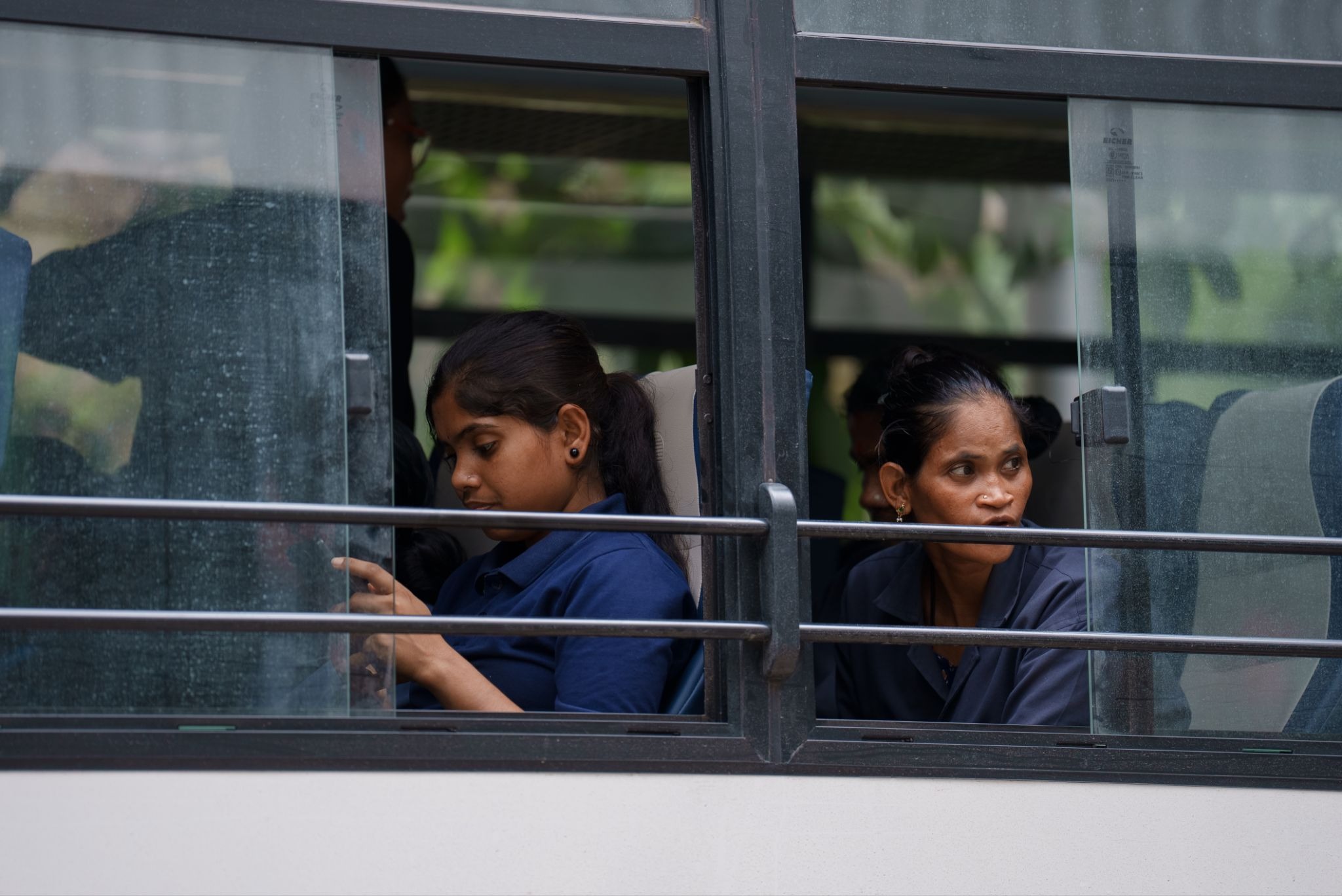
Workers commuting to work.
At GBL, we believe that these films are more than just stories. They are powerful drivers of change, and we hope that they inspire anyone with a stake in how work is organized to play a role in shifting the narrative.
If these stories resonate, so might our work, explore what we've been building at goodbusinesslab.org.
related content
blog

why high turnover persists in retail — and why it matters now
Team GBL
6 mins
blog

budget 2026–27 and the next frontier of financial security
Parridhi A
6 mins
blog
making sexual and reproductive health training work in factories: lessons from the shopfloor
Murchana Nath
7 mins