all case studies
battling anxiety and depression among migrant workers
Increasing peer support for migrant garment workers improved mental health and productivity.

impact
5.3%
decrease in anxiety
5.9%
decrease in depression

Karnataka, India, Asia Pacific
how might we ease the negative mental health impacts of work-related migration by deepening social connection and friendship?
Migration is a widely pursued pathway to improve economic opportunities for millions, globally. As migrants pursue sustained employment and income, the journey from rural communities to cities often comes at a high cost such as increased vulnerability to mental health issues. Our peer support intervention found striking improvements in mental health for participating workers along with significant improvements in productivity.
scope
India has close to 600 million internal migrants, of which about 200 million are labor migrants and about 80% of this migration work in blue collar jobs. Issues affecting mental health, like feelings of social isolation, are more likely to be exacerbated among the millions of young migrants moving to cities and abroad to pursue economic opportunities. The relationship between social isolation and impairments in cognitive function, mental health, physical health and even mortality are well documented (Cacioppo & Hawkley, 2009; Blake et al., 2016; Guarnera et al., 2023). Yet, access to mental health services for Indian blue-collar workers remains a significant challenge due to high costs, social stigma and lack of awareness. Additionally, firms have taken little action to address workforce mental health, leaving this group in a state of vulnerability.
approach
The 8-week intervention pairs new migrants with experienced migrants from similar backgrounds, providing a bridge between their home communities and migration destinations during a critical period of transition. This pairing is accompanied by two trainer led sessions and weekly activity prompts designed to build closer bonds. This bond and the resulting expansion of the network help alleviate the challenges of migration.
methodology
In order to uncover causal relationships between our peer-support intervention and a range of worker and business metrics, we conducted a randomized controlled trial the following design:
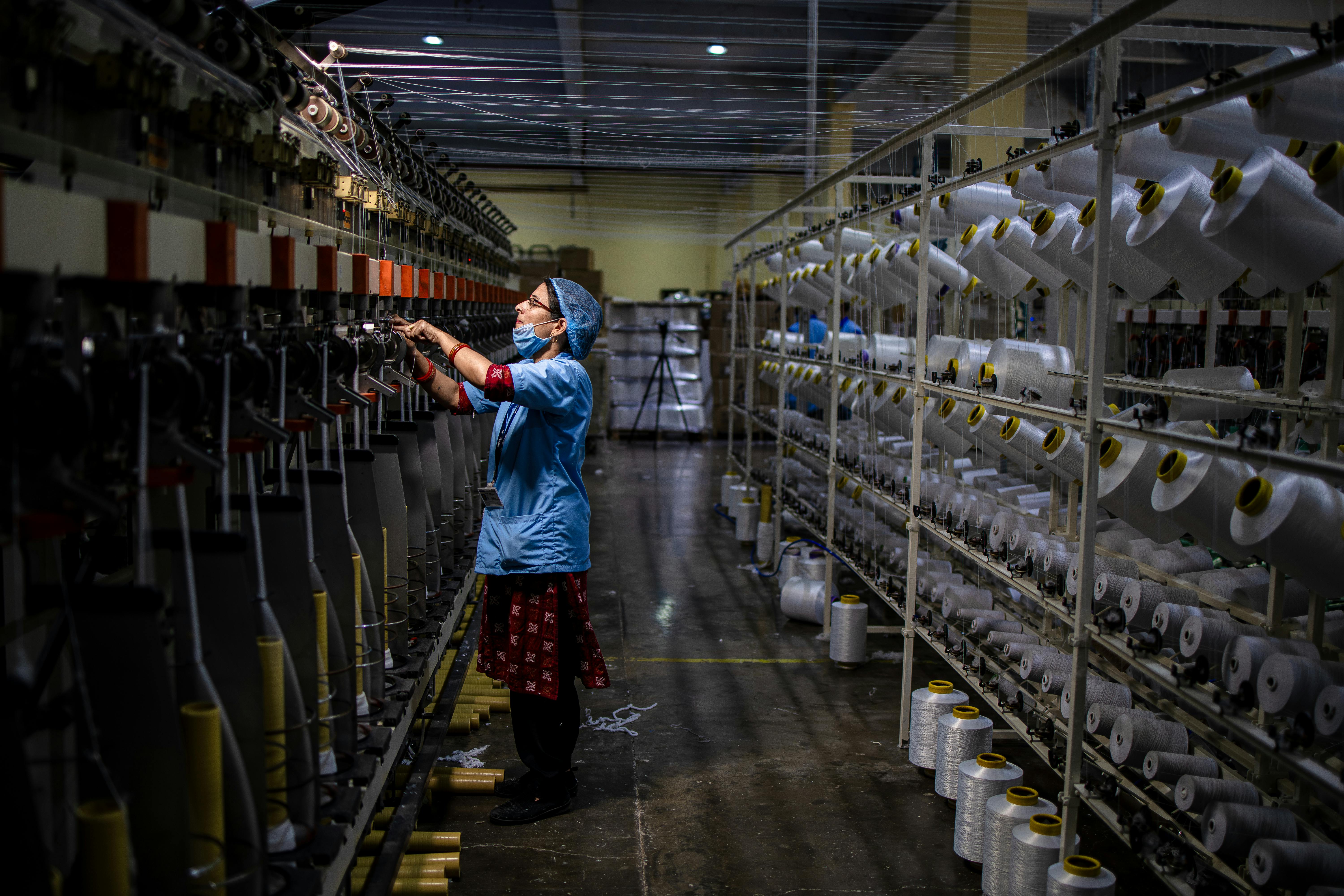
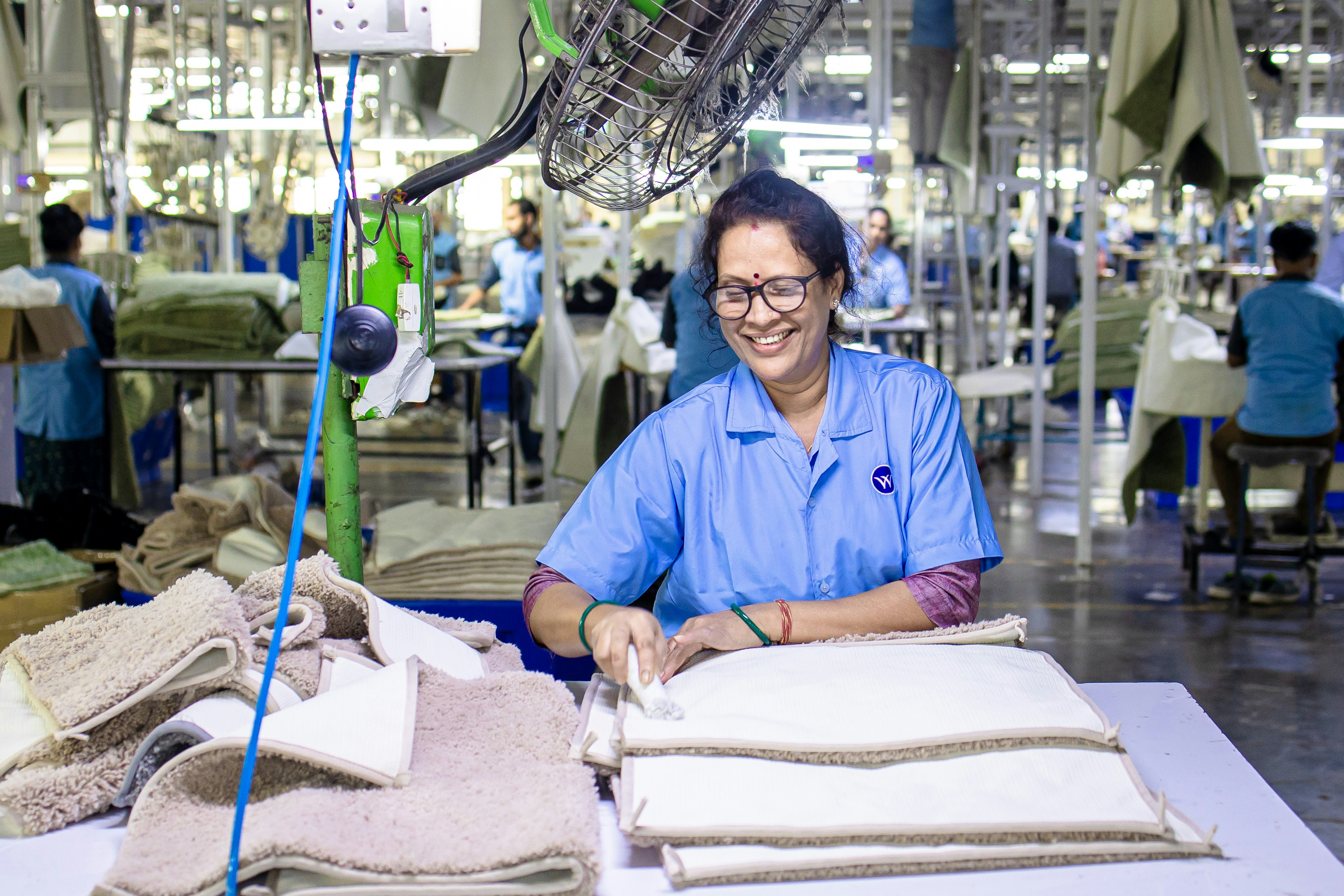
1098 women workers in the apparel manufacturing sector in Bangalore, India.
548 women in the control group
The intervention was an eight week program. All participants, treatment and control, were surveyed at baseline, 2 weeks, 4 weeks, 6 weeks, and endline. We also conducted two follow up surveys with all the participants at 3 and 6 month post endline.
Analysis of worker-level administrative data, including tenure, daily attendance, wages, and output.
outcomes
Participating workers had deeper social ties, reduced rates of anxiety and depression, and higher productivity at work.
Participants saw expanded social networks and:
were 16% more likely to know someone from their buddy’s network
10% more likely to be friends with someone from their buddy’s network compared to the new migrants in the control group.
Wellbeing scores, when measured by the widely used cantril ladder life evaluation question at baseline, midline, endline, 3-month and 6-month follow up surveys, improve by 3.7% for the new migrants.
Improved mental health and productivity
5.3%
reduction in anxiety
5.9%
reduction in depression
12%
productivity increase among experienced migrants ‘buddies’
potential
Given the tremendous scale of internal work-related migration within India – 200 million internal migrants by latest count – the experimental findings from this study have the potential to make a huge improvement in mental health among a highly vulnerable population. With few employer-provided mental health programs in place for blue collar workers in the global south, programs like this one, which are relatively low cost, have real potential to scale. Furthermore, the gains to productivity alone make this program financially sustainable. For every dollar spent on this program, we can expect a total return of $1.94 to firms and workers combined. We are actively pursuing strategies to scale this program across additional large employers in the garment sector and beyond.