
all articles
beyond compliance: the business case for worker health
In conversation with Smit Gade. Interview conducted by Parridhi Agarwal.
In this conversation, Smit Gade, Senior Director of Data and Research at GBL, who has spent decades working at the intersection of labor economics and worker wellbeing, makes the case for why health belongs at the centre of how businesses think about productivity, attrition, and long-term growth. From factory floors in peak summer heat to the invisible toll of mental health on output, Smit draws on field research and evidence to argue that the gap between what businesses do and what workers need is costing more than most realise, and that closing it is more achievable than it looks.
1. Why should worker health matter to businesses? What's the economic argument?
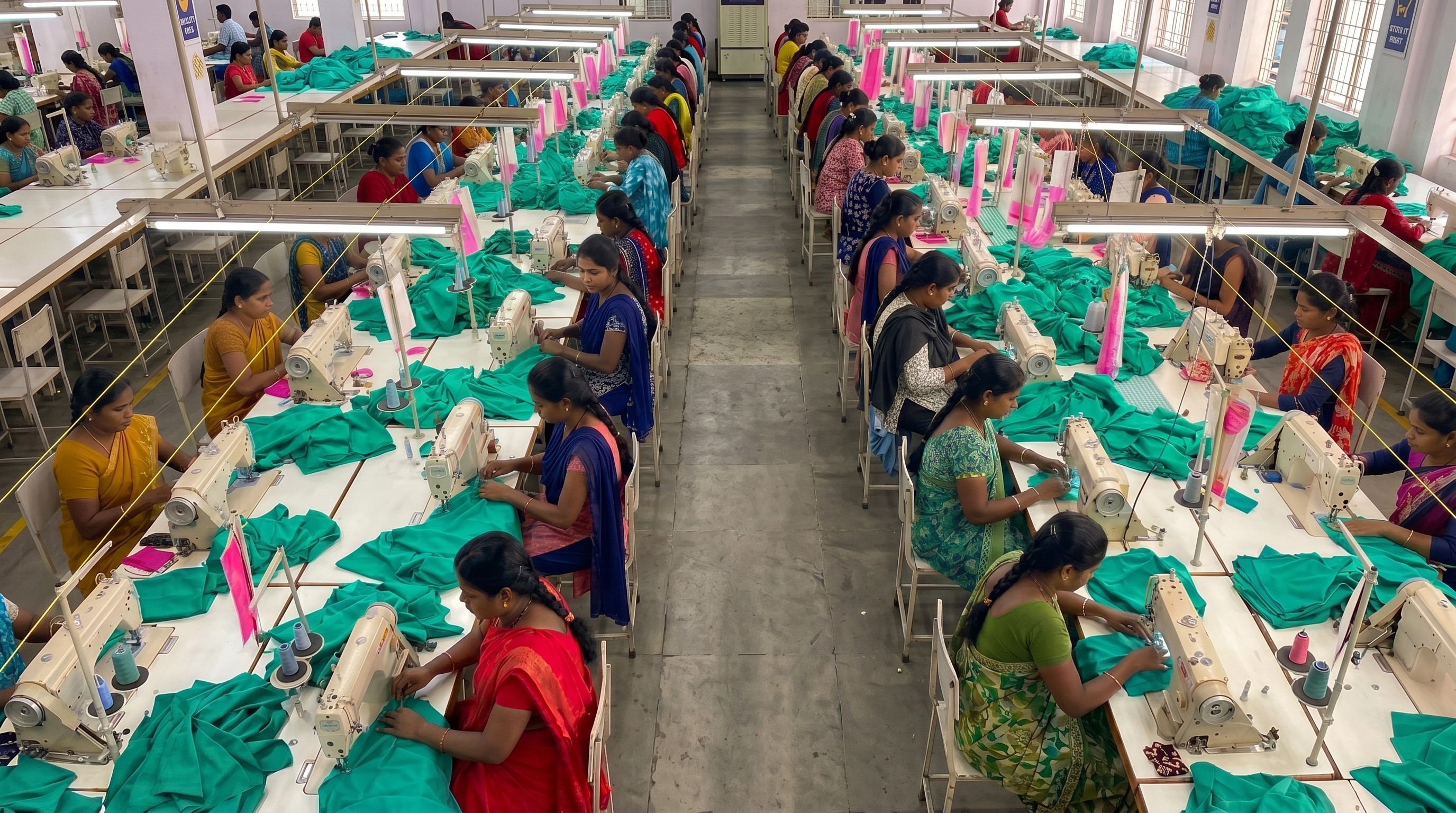
The fundamental connection between worker health and productivity has existed for centuries. Economists have long talked about the "poverty trap," where workers who aren't well-nourished simply don't have the energy to work. That was true in labor-intensive industries in the 19th and 20th centuries, and it remains true today. Even as work has become less manual and more automated, industries like garment manufacturing still require significant physical effort from workers. Health has always been central to output.
Businesses do understand some of this. Current law, for instance, mandates that factories maintain a clinic. There are norms around occupational health and safety. But what businesses sometimes don't fully realise is that this isn't just a compliance issue it affects day-to-day operations in ways that go well beyond avoiding accidents or violations.
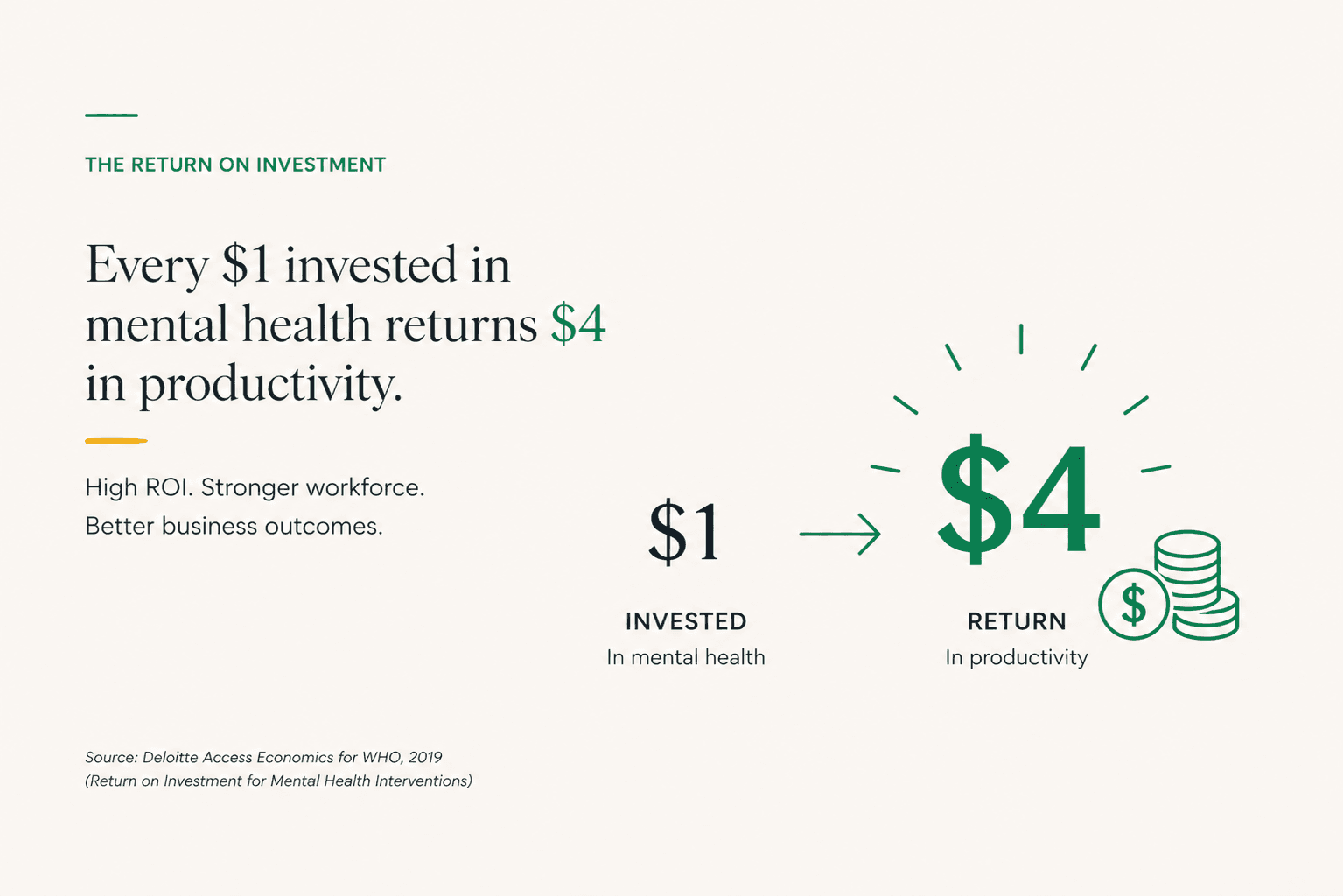
One of the clearest signals we've seen is from exit surveys in labor-intensive industries (garment industry specifically). The biggest reason workers gave for leaving was health either their own, or the need to care for a family member. That's a significant business problem. When you also consider things like heat stress, spending a day on a factory floor during summer, trying to concentrate and do precise work for eight hours it becomes obvious how directly the physical environment affects productivity. We've seen this show up in clinic data, absenteeism patterns, and production outputs.
Businesses are leaving a lot on the table by not taking this seriously enough.
2. What does "good health" actually look like on a factory floor?
It's not one thing, it's a combination of many. Starting with the basics: good ventilation and air circulation, adequate seating, regular water breaks, access to a clinic if someone feels unwell. These are the fundamentals every factory should have.
But beyond compliance, there's real opportunity for businesses to do more and the evidence shows it pays off. We recently completed a study on providing free eyeglasses to older workers who suffer from presbyopia, which affects their ability to see nearby objects clearly. For workers doing intricate, detail-oriented work, this is a core business issue. Simply providing glasses increased their productivity by 5.7%.
Similarly, anaemia is highly prevalent in India, disproportionately affecting women workers. Providing iron and folic acid supplementation, or nutritious meals, can directly improve the health and output of a large part of the workforce. Government schemes exist for some of these businesses don't always have to bear the full cost, they just need to engage with what's available.
Good health on the factory floor is about building an environment and a set of practices where workers can sustain their energy, attention, and physical capacity across a full working day.
3. Are businesses taking worker health seriously beyond just compliance?
It's hard to generalise. There's a clear pattern where the smaller and more informal the business, the less they tend to do, sometimes even basic safety standards aren't met. Larger, more organised businesses have more capacity and tend to do more.
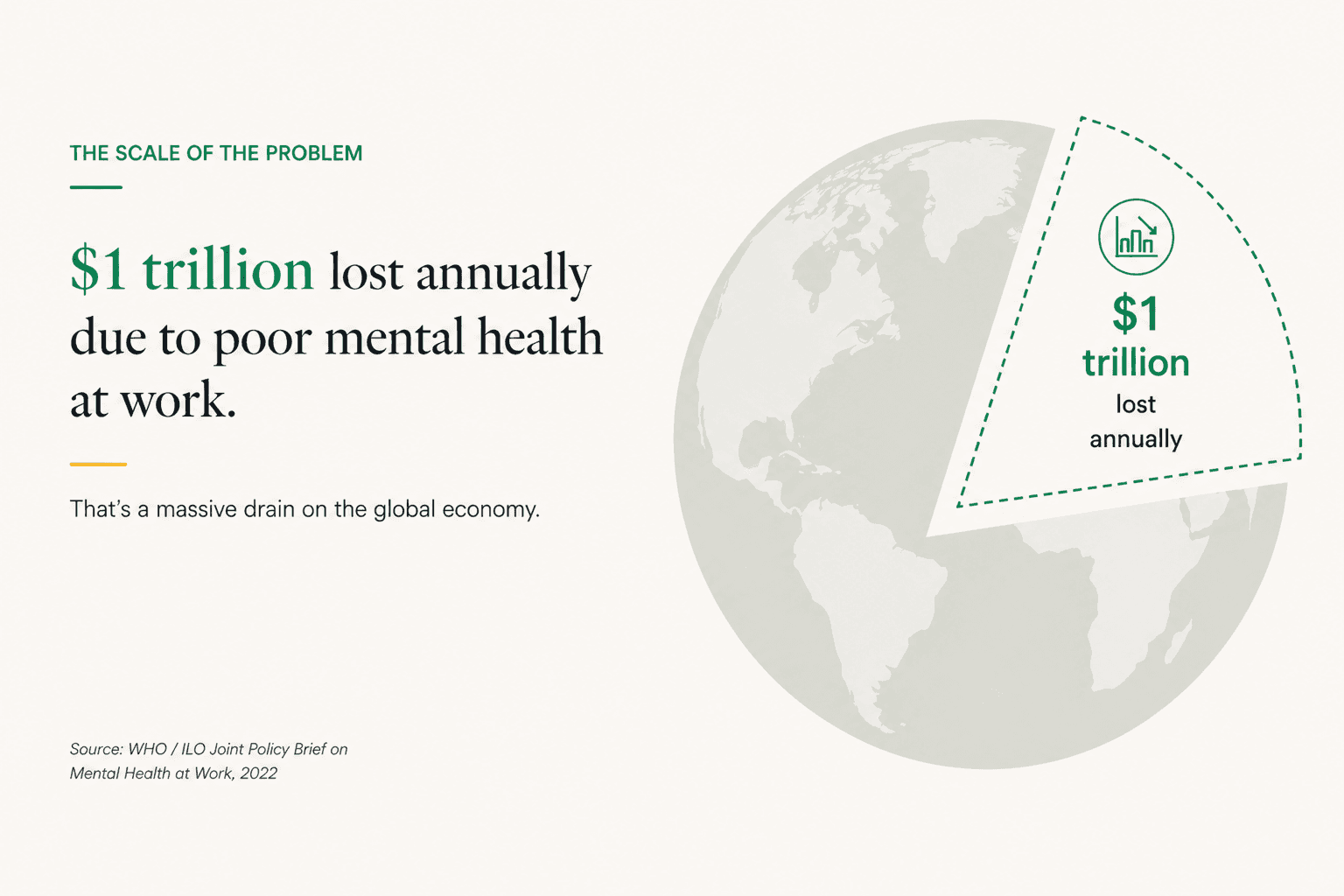
Mental health is perhaps the starkest gap across the board. A few larger white-collar firms are beginning to address it, but across the manufacturing sector it remains almost entirely unaddressed.
The honest picture is that there's a long path ahead. Most businesses aren't fully aware of how much worker health affects their bottom line, and even when they are aware, they're often unsure what to do about it. Providing health insurance is not the same as investing in worker health. There's a much broader set of interventions, many of them cost-effective that businesses haven't yet explored.
4. What are the genuine hurdles that stop businesses from investing more?
A few things come together.
First, awareness, but more specifically, the difficulty of quantifying the problem. Even when businesses know that poor health affects productivity, they struggle to put a number on how big the impact is, or to isolate one cause from many interrelated factors.
Second, the rise of contractual employment. As more manufacturing work becomes contractualised, businesses feel less incentive to invest in workers they see as temporary. And because workers also shift frequently, attrition is a huge problem businesses feel even less reason to invest. What they often don't realise is that investing in worker health is itself one of the most effective ways to reduce that attrition.
Third, even when businesses want to act, they often don't know how. Take migrant workers who leave their home states to work in cities like Bangalore. They're isolated, they lack social networks, the environment is unfamiliar and the work is hard. A business might recognise this is a problem but have no idea what to do about it, because it's not their core practice.
So the ecosystem around businesses, researchers, organisations like ours, needs to do three things: highlight that a problem exists, help quantify it so it can be budgeted for, and offer practical, cost-effective solutions.
5. What aspects of worker health remain invisible in formal systems?
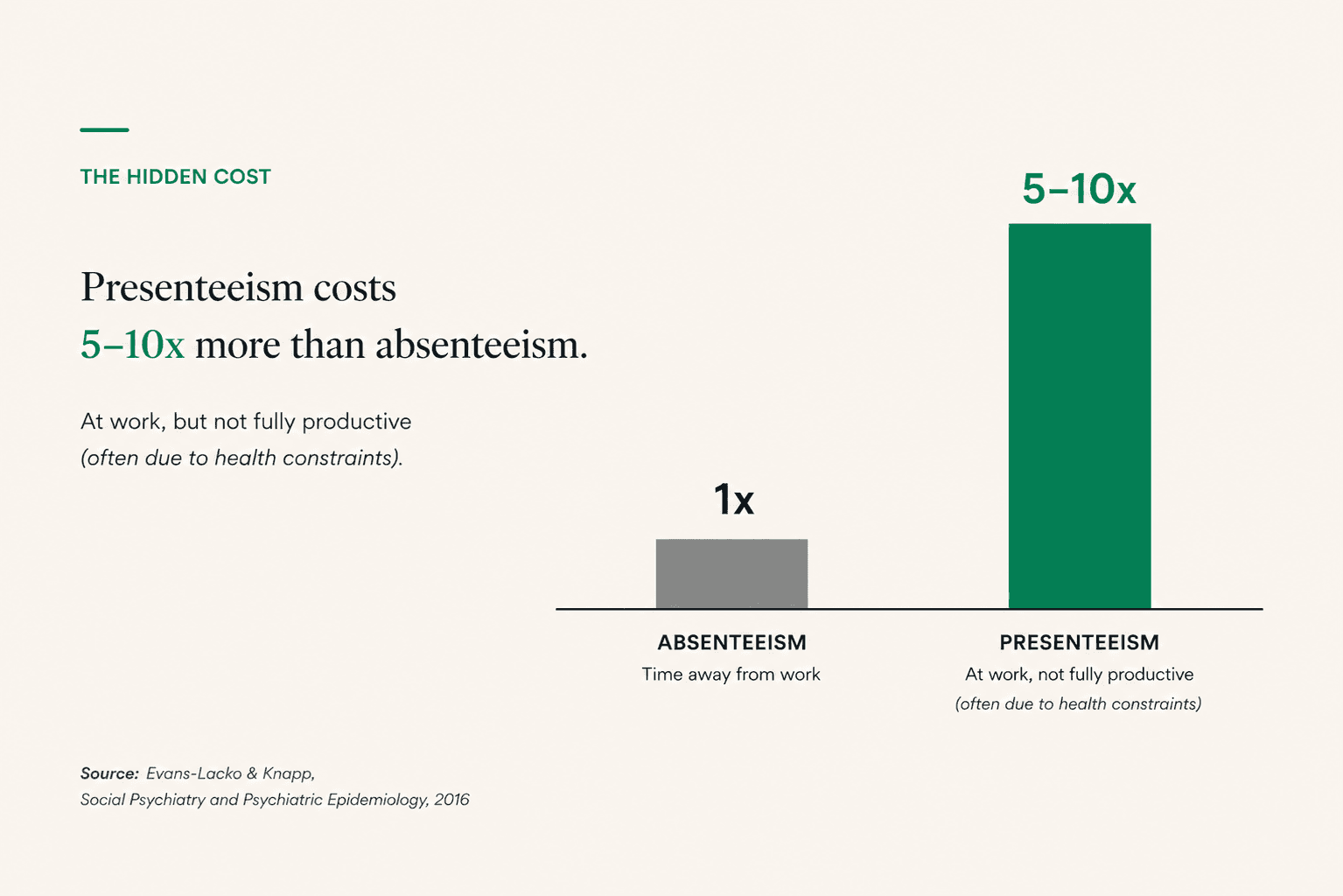
Mental health, without question. Factories have provisions for physical ailments, clinics stocked with basic medicines for fever and common illnesses. But the sector is almost entirely unprepared to recognise or address mental health.
The impact is significant and shows up in ways that look like other problems. Stress levels workers bring to the workplace affect absenteeism, tardiness, attention to detail, and the quality of their output. In worker surveys, the sense of control workers feel over their work about how much they feel they can contribute emerges as a meaningful factor in productivity.
We evaluated the Buddy System programme paired new migrant workers with experienced peers from similar backgrounds, and found that this simple social connection reduced anxiety by 5.3%, reduced depression by 5.9%, and increased productivity by 12%. It gave workers a structured peer support system someone they could talk to. We saw measurable improvements in mental health scores, and a corresponding impact on productivity.
6. What research and initiatives are you seeing in this space?
There's meaningful work happening across several areas. Menstrual health and sexual and reproductive health have a growing ecosystem of organisations working to bring these issues into the workplace conversation. Heat stress has gained significant momentum recently, particularly in the gig economy, where workers are directly exposed to the elements. Safety remains a core focus for labour unions. Food fortification is an area where multiple organisations are trying to build momentum.
In white-collar workforces, mental health awareness has grown considerably. In blue-collar settings, it's still largely absent from the agenda.
The challenge is always getting businesses to act. Research and awareness are necessary but not sufficient. Ultimately it has to make sense within a budget and a balance sheet.
7. As conversations around automation and AI grow, do you see attention shifting away from worker health in labour-intensive industries or changing in any way?
Honestly, I think it's still early to say. Right now, AI is having a much larger impact on knowledge work than on blue-collar or manufacturing work, so I haven't seen a direct shift in how labour-intensive industries think about worker health as a result of automation conversations.
Where I do see AI playing a useful role is as an enabler of new solutions. Mental health support, for instance, is expensive when it involves trained therapists. AI offers the possibility of low-cost, personalised mental health interventions at scale, something that could genuinely reach blue-collar workers who currently have no access to such support. That's a genuinely exciting space, though we're still in early stages and there's a lot more we need to understand about what works, what the safeguards should be, and how much impact these tools actually have.
The short answer: AI as a threat to worker health attention in labour-intensive industries is not something I'm seeing yet. AI as a tool for improving health outcomes that's where the real potential is.
Interested in how GBL approaches worker health? Explore our health portfolio here.
related content
blog

why high turnover persists in retail — and why it matters now
Team GBL
6 mins
blog

budget 2026–27 and the next frontier of financial security
Parridhi A
6 mins
blog
making sexual and reproductive health training work in factories: lessons from the shopfloor
Murchana Nath
7 mins