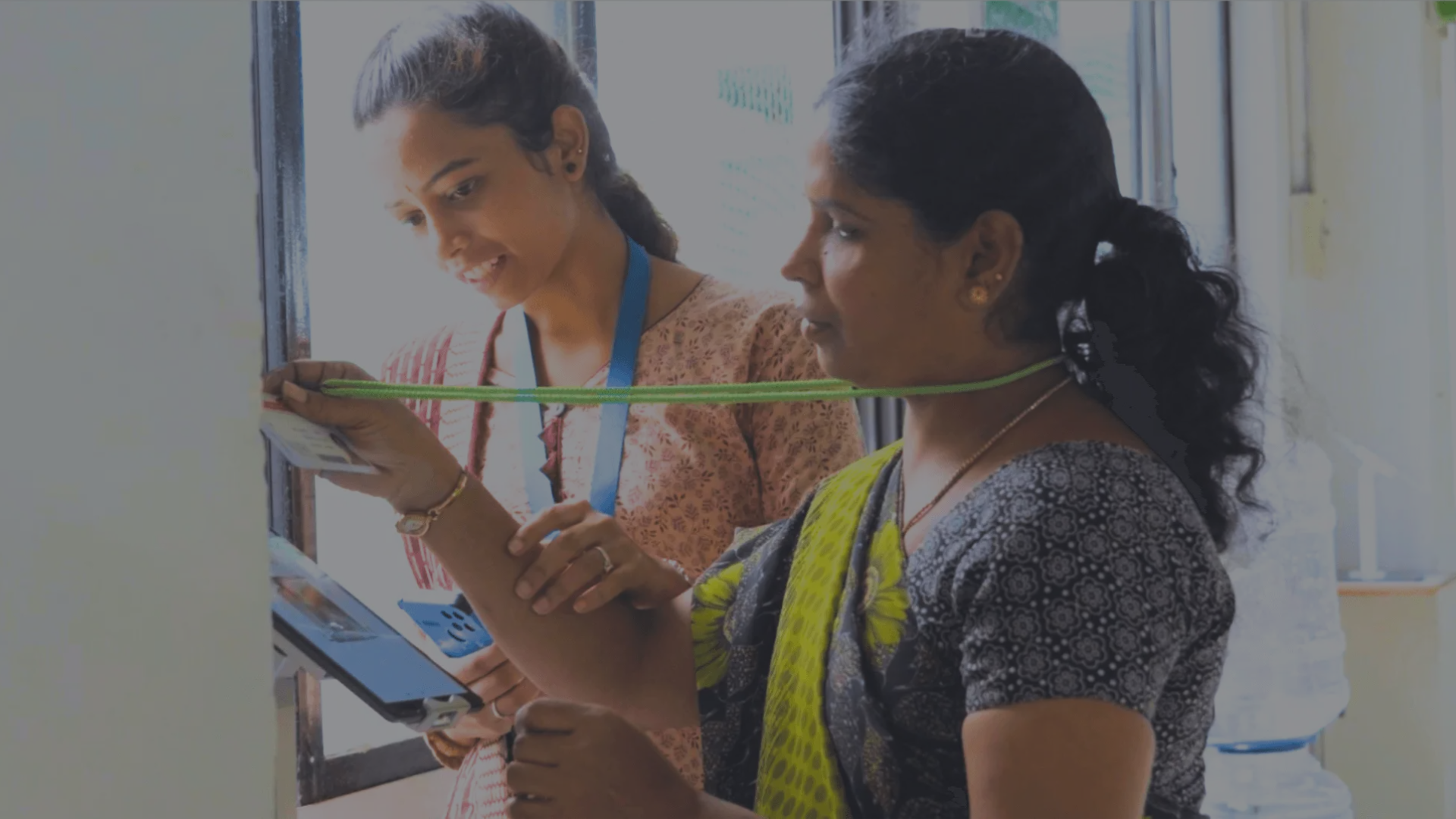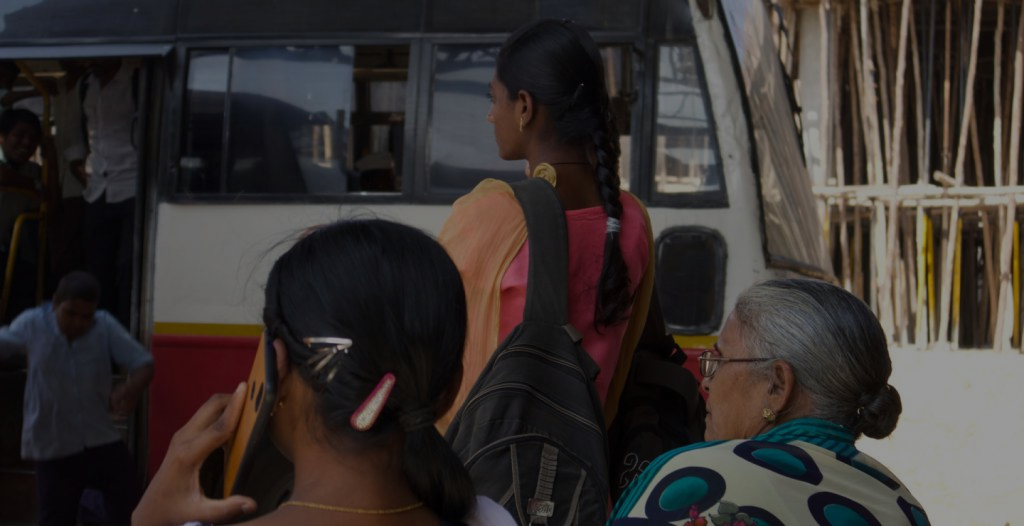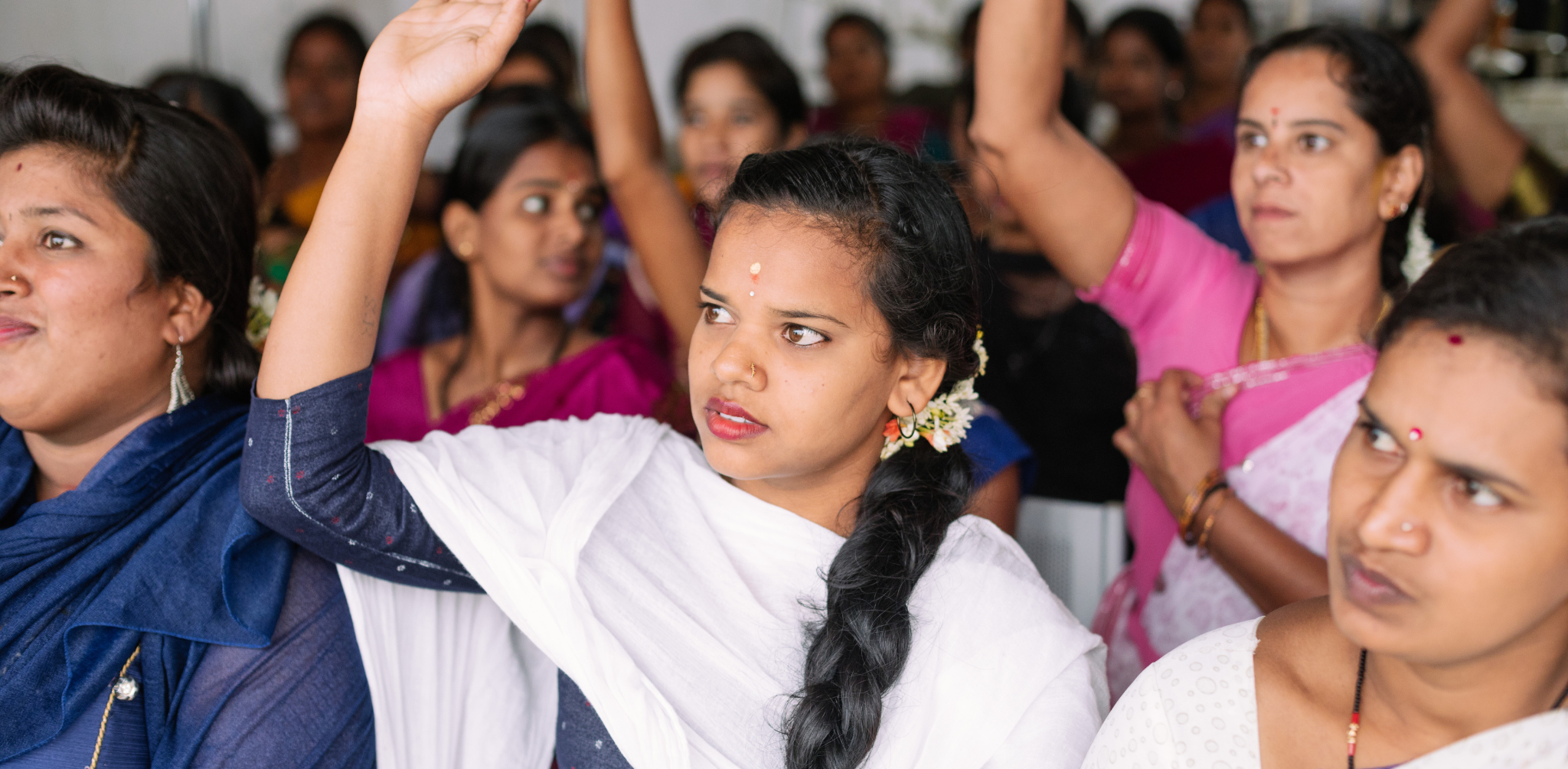
Experimenting with coordinated travel to address concerns around safety and social norms preventing women from traveling alone to work.



Mobility is a crucial factor shaping women’s access to jobs in urban India. Many women are willing to work, but concerns around safety and social norms prevent them from traveling alone. This constraints their mobility, limiting their participation in the workforce. GBL tested whether enabling women to travel together could ease these barriers and found that coordinated travel led to a striking increase in interview participation, job search activity and eventual employment.
Women’s labour force participation in India remains low at 33%, compared to 77% for men (World Bank 2024). In urban India, for women from low-income urban communities, limited mobility is one of the biggest barriers to work. Concerns around safety, social acceptance, and family approval prevent many from attending job interviews, even when opportunities exist.
GBL explored a simple question: What if women could travel to work together? By enabling them to coordinate their travel, we tested whether this support and companionship could help women take the first step toward actively seeking work. The intervention was designed to replicate real-world hiring practices in manufacturing units where recruitment happens through walk-in interviews, which many women find difficult to attend alone.
GBL focused on connecting women from the same neighbourhoods, scheduling their interviews on the same day, so that they could plan their travel in advance. This not only gave women companionship on the journey but also reduced the hesitation of stepping out alone. By prioritizing safety and confidence, the intervention addressed a critical barrier that prevents women from entering the workforce, while offering employers a solution that is feasible and scalable to implement.
The study used a Randomized Controlled Trial. GBL partnered with five garment factories in Faridabad and Noida.
Sample Size: 693 women, 106 low-income neighbourhoods
Study Groups:
1. Treatment group 1_Matching & Coordinated Travel – Women attended group meetings, given the same interview dates with a coordinated travel plan.
2. Treatment group 2_ Only Matching – Women attended group meetings, but were given different dates for the interview.
3. Control group – Invited on the same day of the interview as group one, but without any marching or support in travel coordination
We measured interview attendance using factory records to capture whether women actually showed up for interviews. There was a follow-up survey conducted six weeks later to track job search activity and employment outcomes across the treatment and control groups.
- Women in the coordinated travel group were 85% more likely to attend the interviews than those in the control group.
- Women who were only matched but not given the same interview date had no effect on attendance. The finding highlights that social connection alone is not enough but actual coordination of travel encourages participation.
- Women from the coordinated travel demonstrated more proactivity, continuing their job search, with a 78% increased probability of visiting other employers.
- Coordinated travel led women to make twice as many trips on average as those in the control group when searching for work.
- Six weeks after the intervention, women in the coordinated travel group were 8 % more likely to be employed than those in the control group.
- For employers in labour-intensive industries, such as garments or manufacturing, simple adjustments in interview scheduling and travel coordination can increase women’s participation in the workforce.
- This is a low-cost, scalable solution that can improve existing hiring practices and provide businesses with a practical way to expand and retain the female workforce and reduce attrition.